
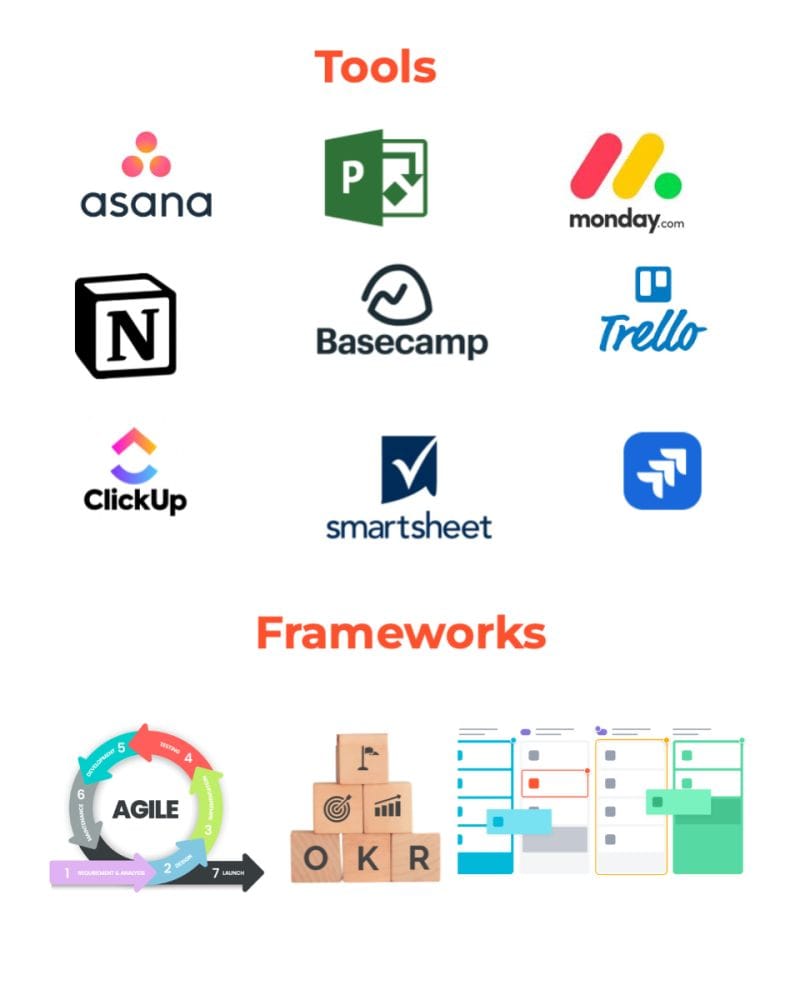
You invested thousands in Asana or Monday.com. Organized comprehensive training sessions. Created detailed user guides. Yet three months later, your team barely touches these tools.
Tasks remain stagnant. Updates happen sporadically. The expensive project management platform has become digital clutter while work continues through scattered emails, chat messages, and random spreadsheets.
Sound familiar? You’re not alone in this frustration.
The Real Problem Isn’t the Tools
Your team isn’t avoiding project management tools because they’re lazy or the software is inadequate. The fundamental issue runs deeper than feature adoption or user interface design.
Modern knowledge workers are drowning in an endless stream of meetings, notifications, and competing priorities. Adding another system to learn and maintain feels like additional burden rather than relief.
When team members already struggle with overflowing inboxes and back-to-back meetings, logging into yet another platform to update task statuses becomes the first thing they skip.
Why Tech Teams Succeed Where Others Struggle
Software development teams don’t face the same project management tool adoption challenges. Developers embrace platforms like JIRA and Azure DevOps because they understand the underlying frameworks first.
These teams learned Agile methodologies, Scrum practices, and Kanban principles before touching any software. They internalized mental models for breaking down complex work, defining clear deliverables, and maintaining consistent review cycles.
The framework shaped their thinking. The tool simply supported their established workflow.
The Backwards Approach Most Teams Take
Sales teams, marketing departments, and operations groups typically receive feature-focused training. They learn which buttons to click and fields to complete, but nobody teaches them how to think about modern knowledge work.
Without understanding how to properly decompose projects, prioritize competing demands, or establish review rhythms, team members lack the mental foundation that makes project management tools valuable.
Training on features without frameworks creates friction instead of flow.
Building Mental Models Before Implementing Tools
Successful project management tool adoption requires establishing productivity frameworks before software training. Teams need to understand:
How to Structure Work Effectively
Breaking large initiatives into manageable components requires specific skills. Team members must learn to identify dependencies, estimate effort accurately, and create meaningful milestones.
Prioritization Systems That Actually Work
Without clear decision-making frameworks, everything feels urgent. Teams need systematic approaches for evaluating competing priorities and making trade-off decisions.
Communication and Review Rhythms
Sporadic updates kill project momentum. Establishing regular check-in cycles and status communication protocols keeps work moving forward consistently.
The Framework-First Implementation Strategy
Transform your project management tool adoption by focusing on mental models before software features:
Phase 1: Establish Core Principles
Train your team on fundamental productivity concepts. Introduce frameworks like Getting Things Done for individual task management and Agile principles for collaborative work.
Phase 2: Practice Without Tools
Run pilot projects using simple methods like whiteboards or basic spreadsheets. This builds comfort with the underlying processes before adding software complexity.
Phase 3: Map Framework to Features
Once teams understand the workflow principles, demonstrate how your chosen tool supports their established practices. Show how software features enhance rather than replace their thinking.
Phase 4: Gradual Integration
Implement the tool progressively, starting with core features that directly support established workflows. Add advanced functionality only after basic adoption succeeds.
Measuring True Adoption Success
Tool adoption isn’t about login frequency or feature utilization rates. Real success happens when project management platforms become indispensable to daily work.
Teams know they’ve achieved effective adoption when removing the tool would significantly disrupt their productivity. The software has become integral to how they think about and execute work.
Project visibility improves. Deadlines become more predictable. Team coordination requires less effort. Work flows smoothly because the tool supports established mental models rather than fighting against them.
Creating Lasting Change in Your Organization
Transforming project management tool adoption requires patience and systematic approach. Quick fixes and feature training create temporary compliance but not sustainable behavior change.
Invest time in building your team’s productivity foundations. Establish clear frameworks for organizing, prioritizing, and executing work. Only then introduce tools that support these established practices.
Your existing project management platforms contain tremendous potential value. The key is developing your team’s capacity to leverage that value through proper mental models and workflow frameworks.
Ready to transform how your team approaches project management and collaboration? The Productivity for Teams Training Program provides comprehensive frameworks and implementation support to help your organization maximize tool adoption and team effectiveness.
