
Nerd Productivity
Get Shit Done

Why the Same Tasks Keep Rolling Over to Tomorrow
Why do tasks keep rolling over to tomorrow? Five real causes, and a short routine to stop the same items sliding forward again.

How to Make a Productivity System Stick (Instead of Abandoning It in Three Weeks)
The setup choices that let a productivity system survive a bad week, so the next one you build is still running next quarter.
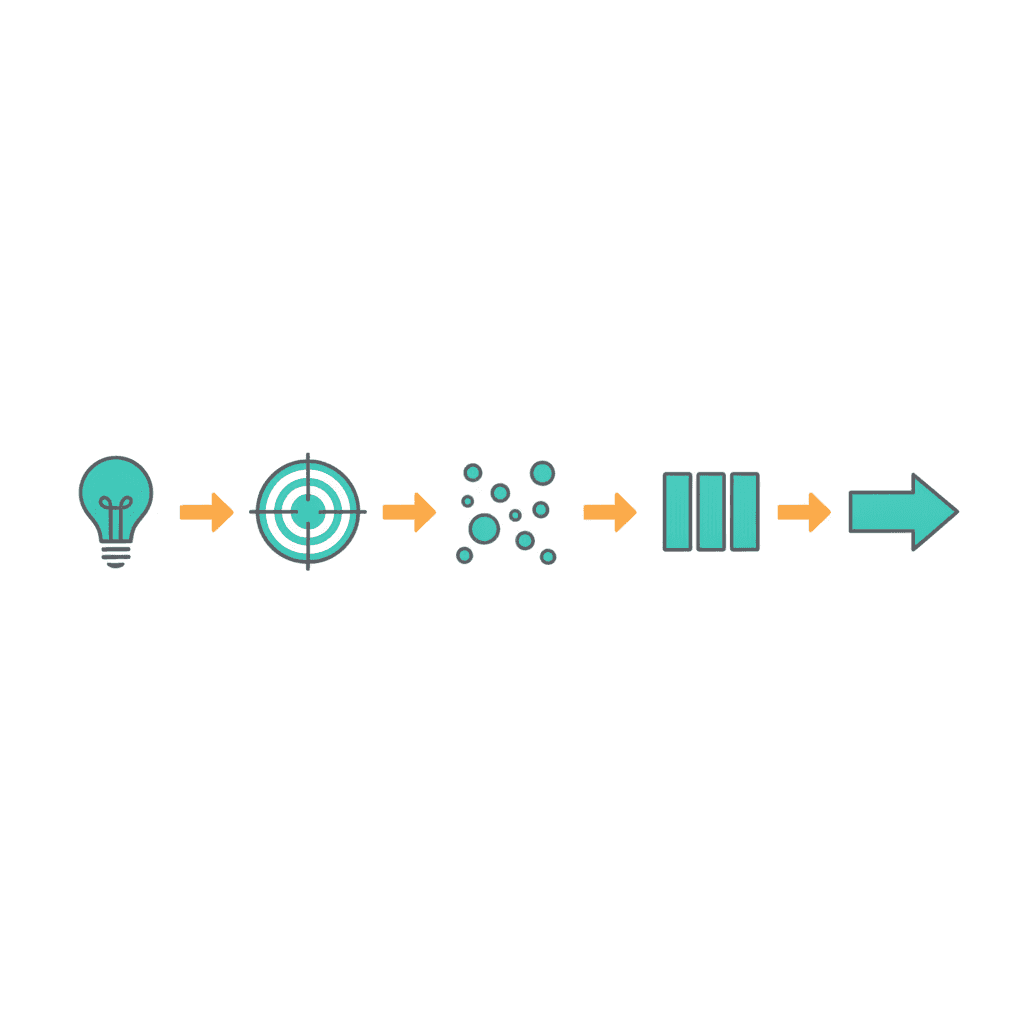
GTD Natural Planning Model: A Worked Example for Business Owners
The GTD Natural Planning Model is clearest when you can see it applied to something real. The five steps — purpose, vision, brainstorm, organise, next actions — are straightforward in…
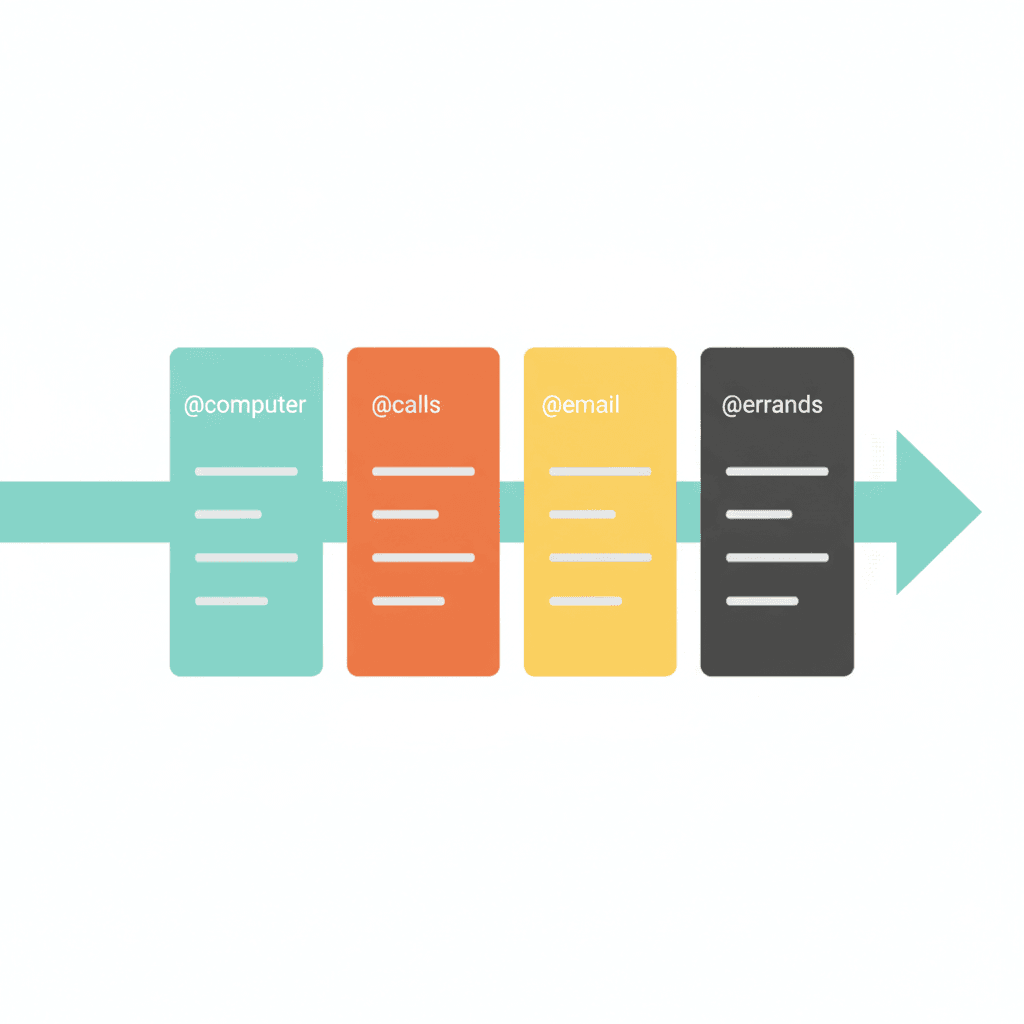
GTD Next Action Examples: What They Look Like Across Your Working Day
Understanding what a GTD next action is takes about five minutes. Knowing what one looks like when you’re staring at a pile of real tasks — client calls to return,…

GTD Context List Examples: What Goes on Each List and When to Use It
Understanding GTD context lists conceptually is one thing. Knowing what to actually put on each list is another. Most people who try GTD context lists start with the obvious ones…

Areas of Responsibility: The Missing Layer in Most Productivity Systems
If your task list has 200 items on it, it probably isn’t a task list problem. It’s almost certainly a structure problem. The missing layer is areas of responsibility —…

GTD Project Planning: How to Turn Goals into Actionable Projects
The gap between your goals and your daily work is usually a project-planning problem. Most people write ambitious outcomes on a list, call them tasks, and wonder why nothing moves.…

The Three Threes Method: How to Decide What Goes in Each Block
The three threes method is a daily planning structure from Oliver Burkeman, the author of Four Thousand Weeks. It limits each working day to three categories: three hours on one…
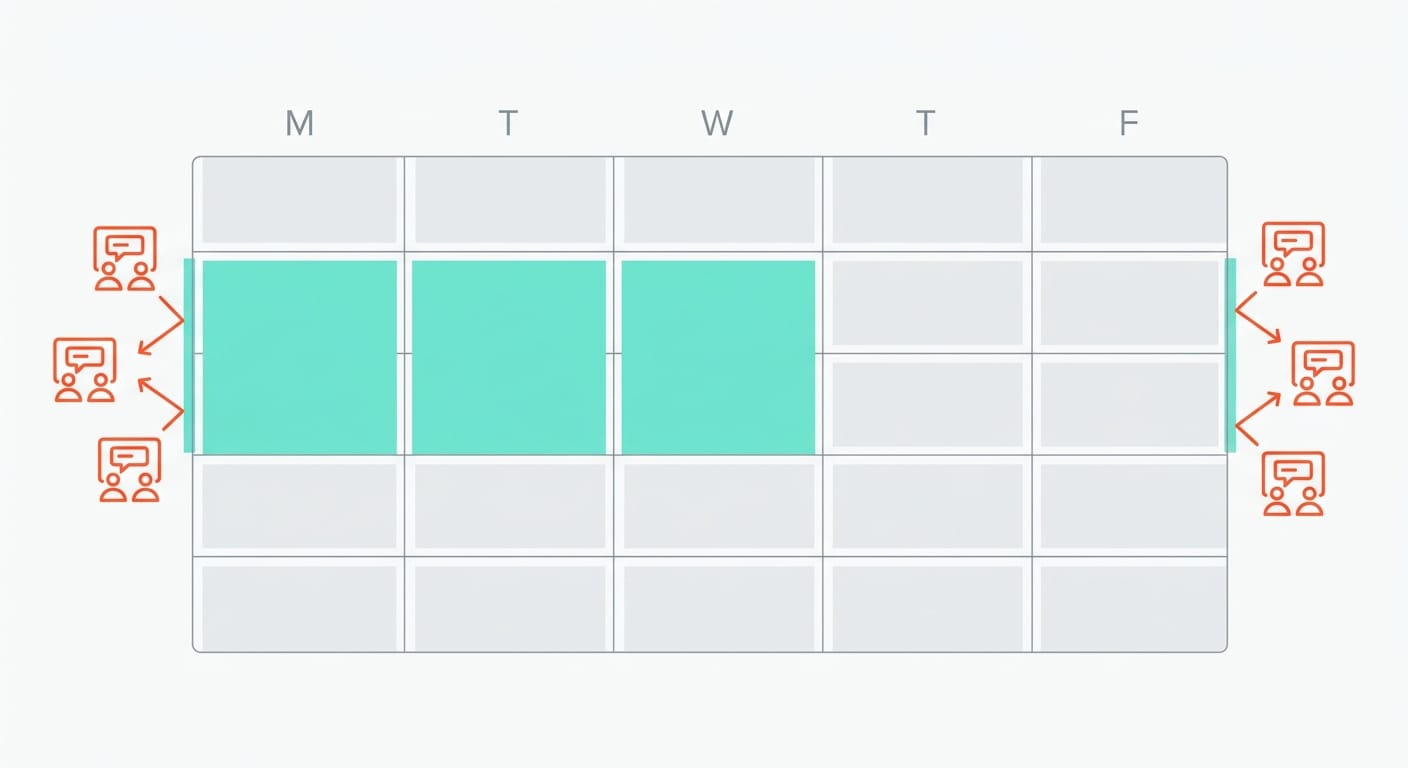
How to Allocate Your Time as a Business Owner (NP System, Habit 10)
Rocks name what matters most this week. Habit 10 decides when each one actually happens.
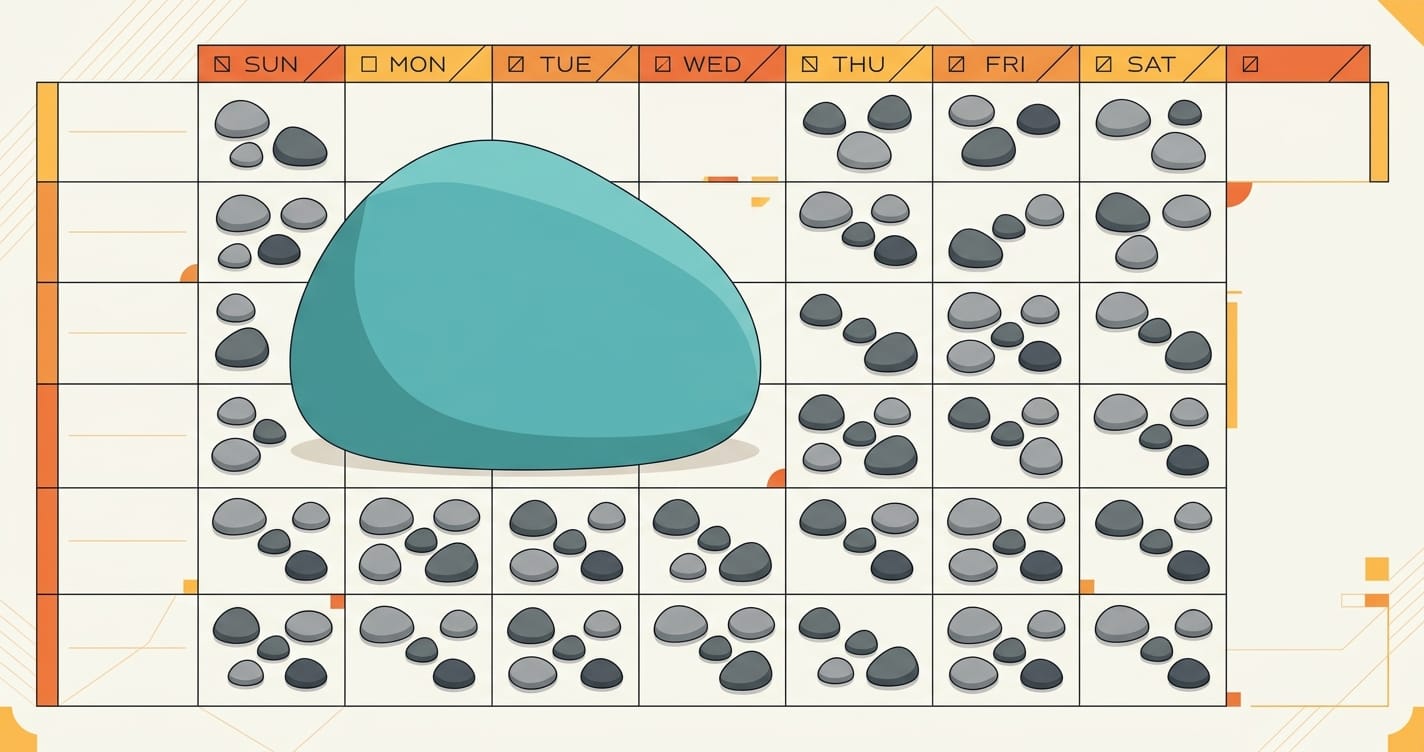
How to Set Your Weekly Rocks as a Business Owner (NP System, Habit 9)
The Eisenhower Matrix tells you what matters. It does not tell you what gets done this week. That is the gap most business owners fall into — they know their…
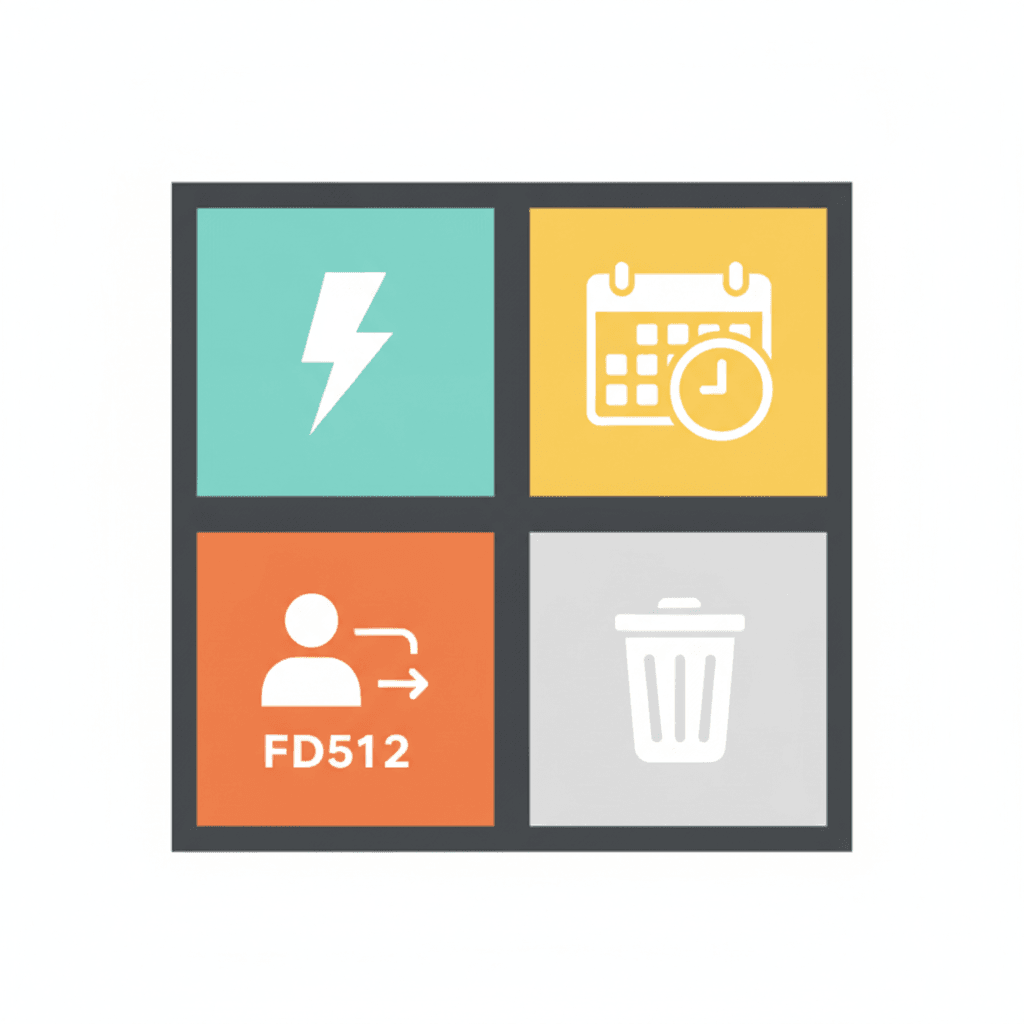
The Eisenhower Matrix for Business Owners: How to Separate Urgent from Important
The Eisenhower matrix sorts every task into one of four quadrants by urgency and importance. For business owners, the most strategically costly quadrant is the one that looks the least…

Reactive vs Proactive Planning for Business Owners: How to Stop Firefighting and Start Growing
Reactive planning means you respond to what arrives. Proactive planning means you act on what you’ve decided matters. Distinguishing between opportunities and problems is the first habit in the NP…
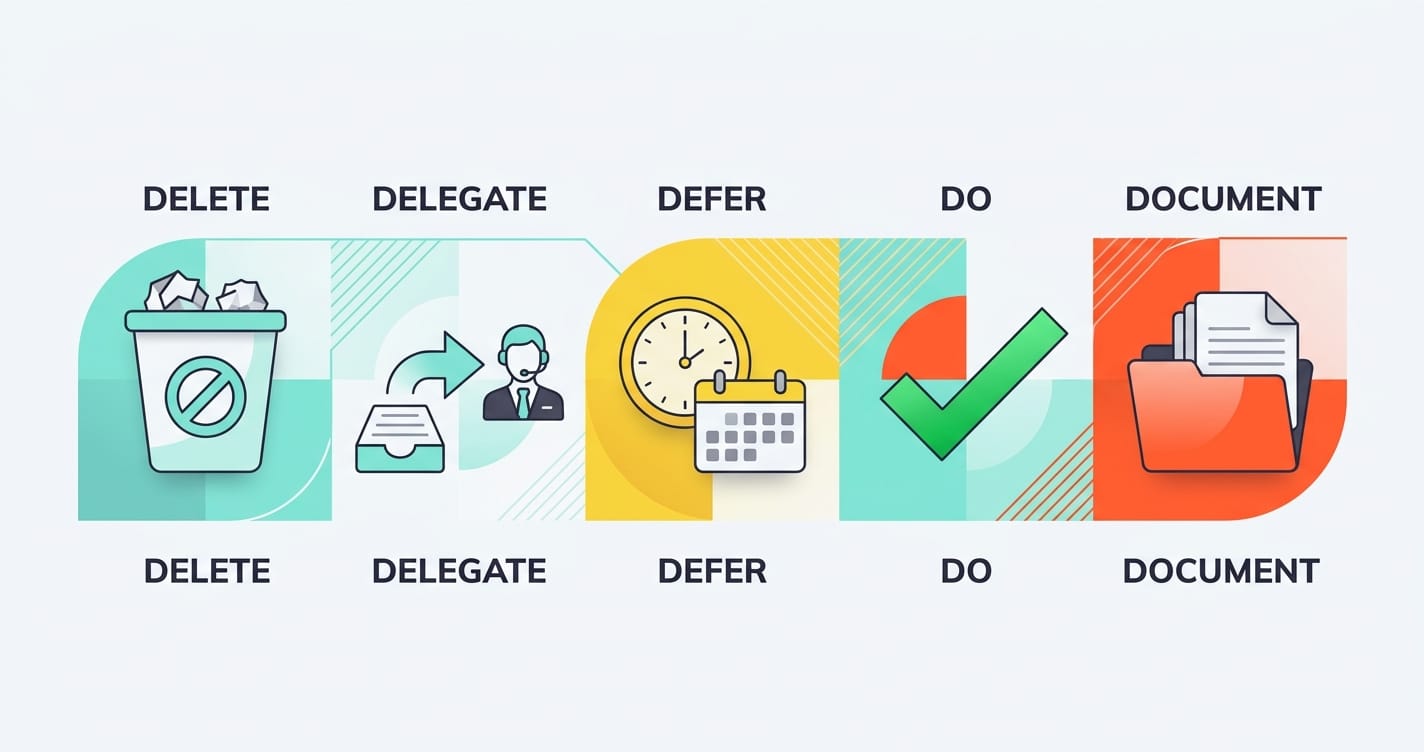
The 5 Ds of Productivity: How Business Owners Triage Tasks Without Losing Track
The 5 Ds of productivity is a triage method for processing any incoming task, email, or decision: Delete it, Delegate it, Defer it, Do it, or Document it. Each item…

The GTD Review Cycle: Daily, Weekly, and Quarterly Reviews
The GTD review cycle has three levels: a brief daily orientation, a 45-minute weekly review, and a deeper quarterly reset. Here is how they fit together and why all three…

Oliver Burkeman’s 333 Method: The Philosophy Behind the Daily Rule
Most daily productivity rules exist to help you do more. Oliver Burkeman’s 333 method exists to help you do less — and mean it. Burkeman is the British journalist who…

How to Block and Filter Noise in Your Productivity System
You’ve built a capture system. You have one inbox for everything — a single place where tasks, ideas, and commitments land. And somehow your head is still full. The problem…

The Universal Capture System: Why One Inbox for Everything Changes How You Work
A universal capture system is a single trusted inbox for every open loop in your life. Here’s how the NP System’s first capture habit works and why most business owners…

The GTD Reference Filing System: How to Store and Find Anything You Need
The GTD reference filing system is a searchable archive for material with no immediate action. Here’s what belongs in it, how to set it up digitally, and why the one-touch…
Oliver Burkeman’s 333 Technique: The Daily Method From Four Thousand Weeks
Oliver Burkeman’s 333 technique is a daily planning method built on an unfashionable idea: that the task is not to do more, but to choose well what you do at…

What Is the GTD Tickler File, and Do You Actually Need One?
The GTD tickler file is a 43-folder system — 31 daily folders and 12 monthly folders — that holds items until the exact date you need them. When you open…