
Nerd Productivity
Get Shit Done

The GTD Reference Filing System: How to Store and Find Anything You Need
The GTD reference filing system is a searchable archive for material with no immediate action. Here’s what belongs in it, how to set it up digitally, and why the one-touch…
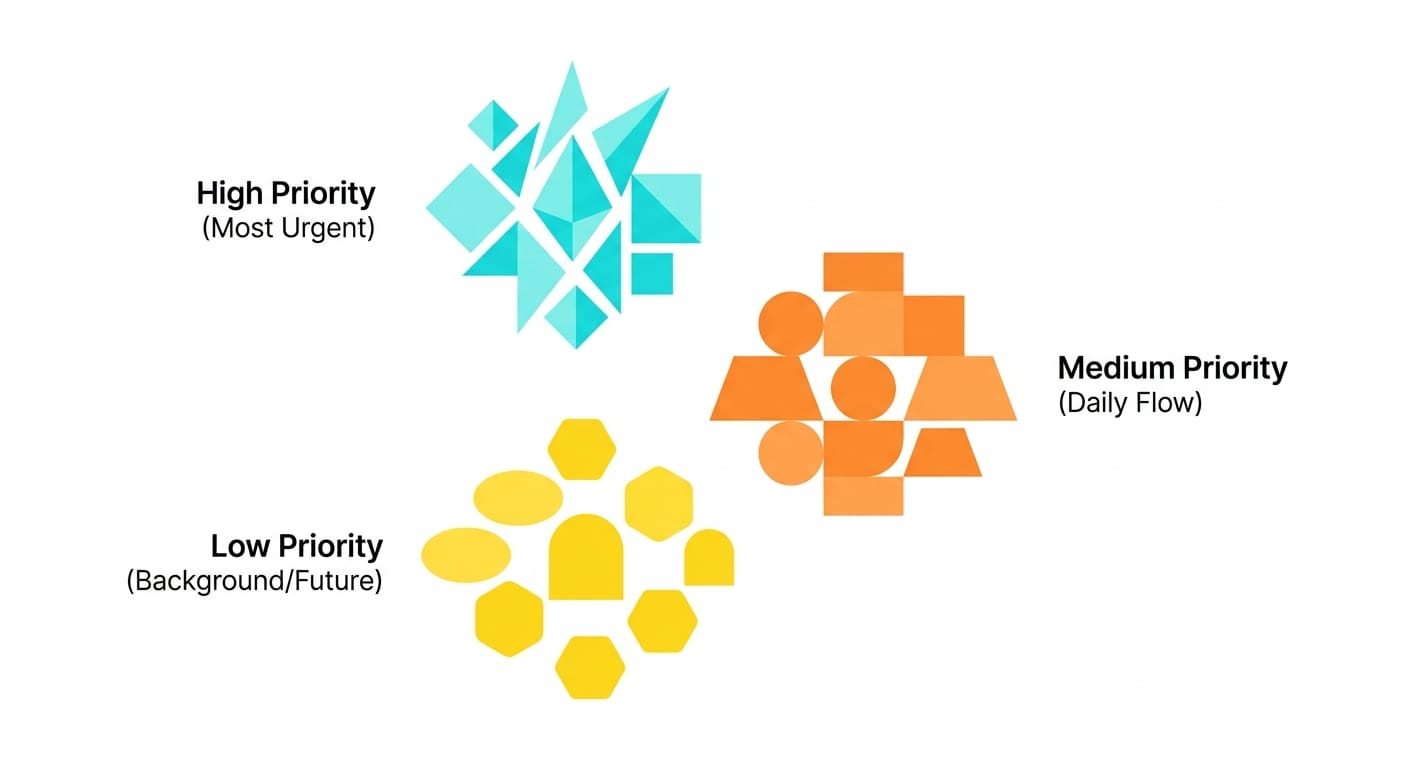
Oliver Burkeman’s 333 Technique: The Daily Method From Four Thousand Weeks
Oliver Burkeman’s 333 technique is a daily planning method built on an unfashionable idea: that the task is not to do more, but to choose well what you do at…
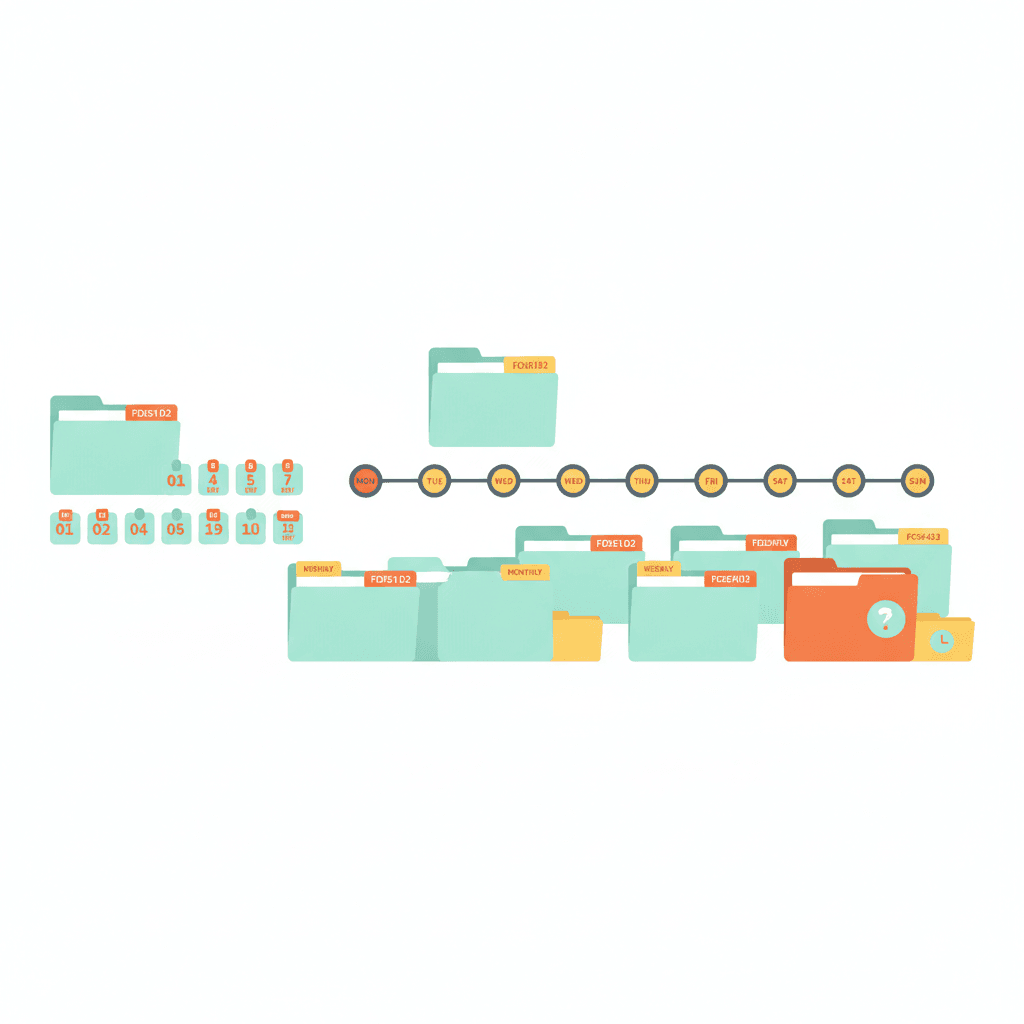
What Is the GTD Tickler File, and Do You Actually Need One?
The GTD tickler file is a 43-folder system — 31 daily folders and 12 monthly folders — that holds items until the exact date you need them. When you open…
Opportunities vs Problems: The Planning Habit That Separates Growing Businesses from Stagnant Ones
Opportunities vs problems is a planning distinction from the NP System that determines whether a business owner grows their business week by week or simply maintains it. An opportunity is…
Entrepreneur Prioritisation: The System That Cuts 17 Priorities to Three
Entrepreneur prioritisation is the practice of ranking every open work item by actual business impact so the most important work gets protected time rather than yielding to whatever feels most…
Entrepreneur Weekly Planning: How to Keep Your Week Strategic
The entrepreneur weekly planning system is the practice of setting your highest-priority outcomes for the coming week before the week begins, so that daily execution connects to something deliberate rather…
How to Structure Your Day as an Entrepreneur: A Four-Phase System That Protects Strategic Work
The entrepreneur daily schedule is one of the most misunderstood concepts in productivity. Most articles give you a list of morning habits — wake at 5am, cold shower, journal, meditate…

The Index Card Method: One Task, One Card, Nothing Else
The index card method is a physical focus tool with one rule: write your single most important task on an index card, place it on your desk, and work on…
Flow State for Business Owners: How to Get Into Deep Focus (and Stay There)
Flow state is a mental condition where you are completely absorbed in a task, your performance peaks, and time seems to disappear. Psychologist Mihaly Csikszentmihalyi identified it in the 1970s…
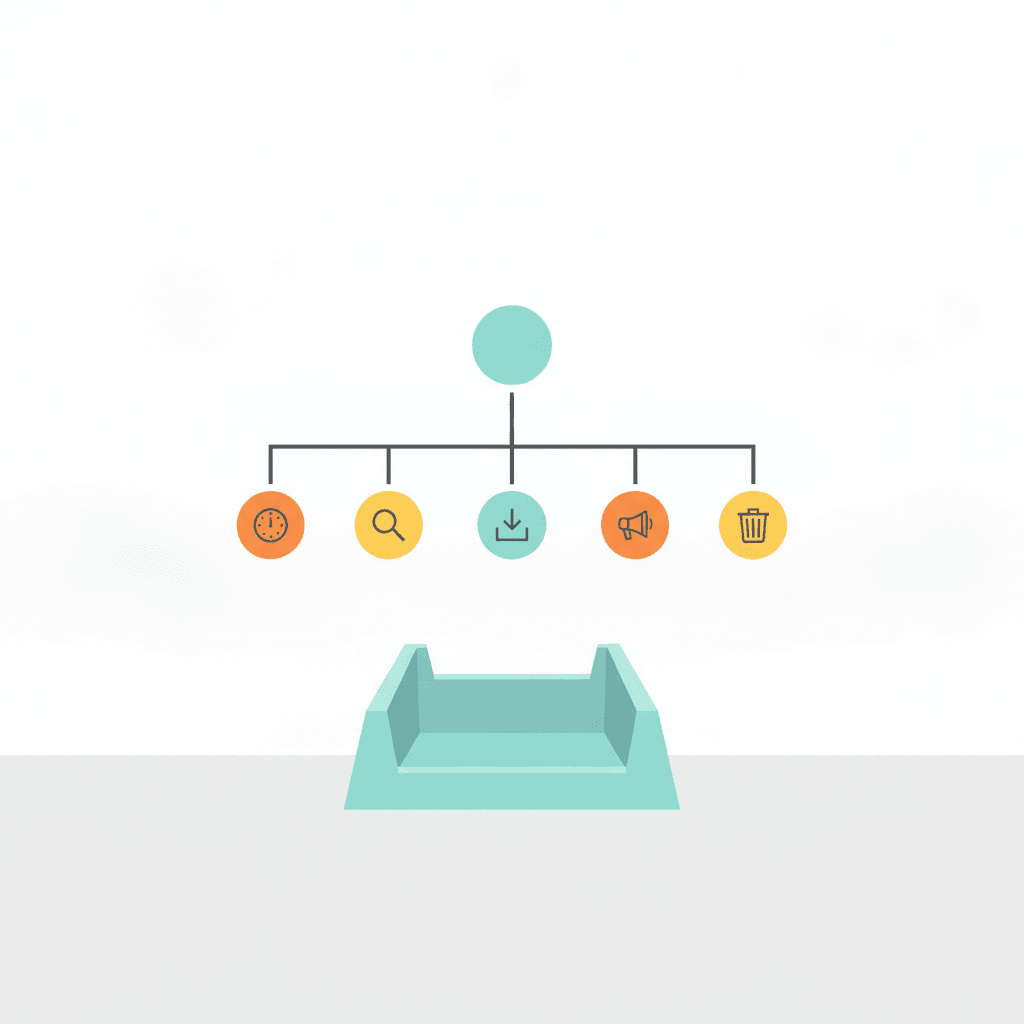
Inbox Zero for Business Owners: The 5 Ds Method That Actually Works
Inbox zero for business owners is a method for processing email so that every message receives a single decision and nothing accumulates in the inbox as an unresolved reminder. The…
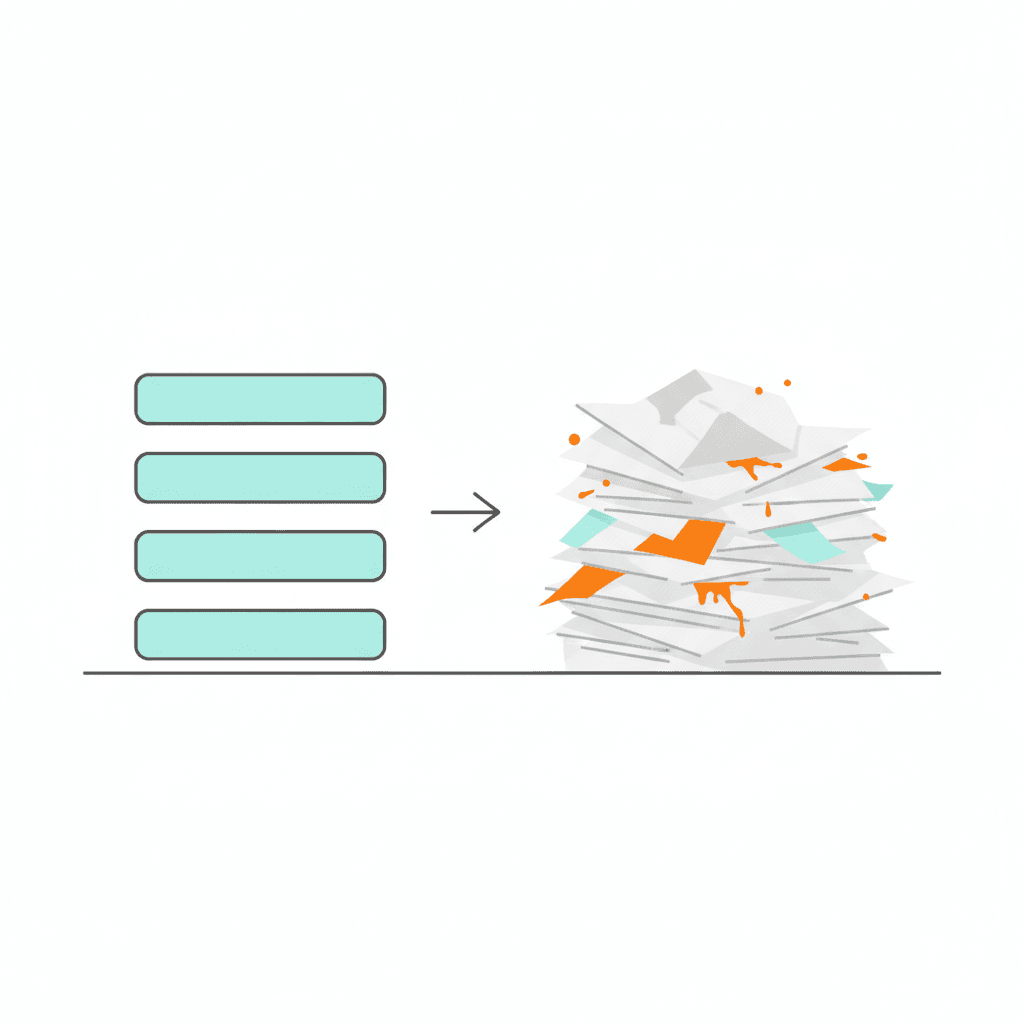
Decision Making for Business Owners: A Three-Layer System That Works
Decision making for business owners is the process of choosing which tasks, projects, and requests to act on, defer, or discard — across every area of the business, repeatedly, under…

Monk Mode Morning: How Business Owners Protect Their Most Productive Hours
Most business owners lose their sharpest hours to other people’s urgencies. By the time the inbox is cleared and the first calls are done, the mental clarity that was there…
Productivity Habits for Entrepreneurs: The Five That Actually Compound
The entrepreneurs who appear most productive rarely talk about productivity hacks. They talk about systems — and more specifically, about habits so embedded in how they work that they stop…
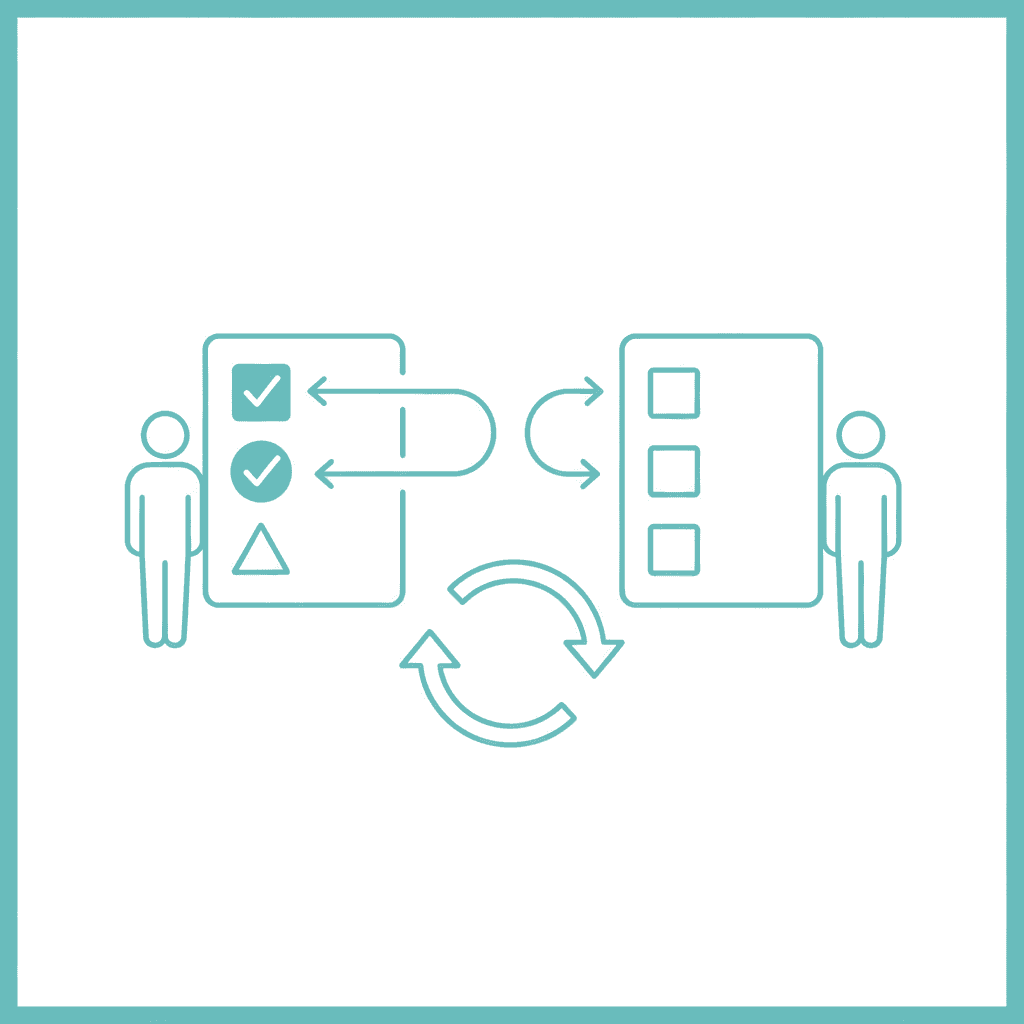
The GTD Waiting For List: How to Stop Losing Track of Delegated Tasks
The GTD Waiting For list keeps every delegated task in view so nothing falls through the gap. Here’s how it works and how to make it a weekly habit.

How to Stop Being Reactive as a Business Owner
Reactive mode is what happens when a business grows faster than the system governing it. You start the week with a plan. By Tuesday, the inbox has replaced it. By…
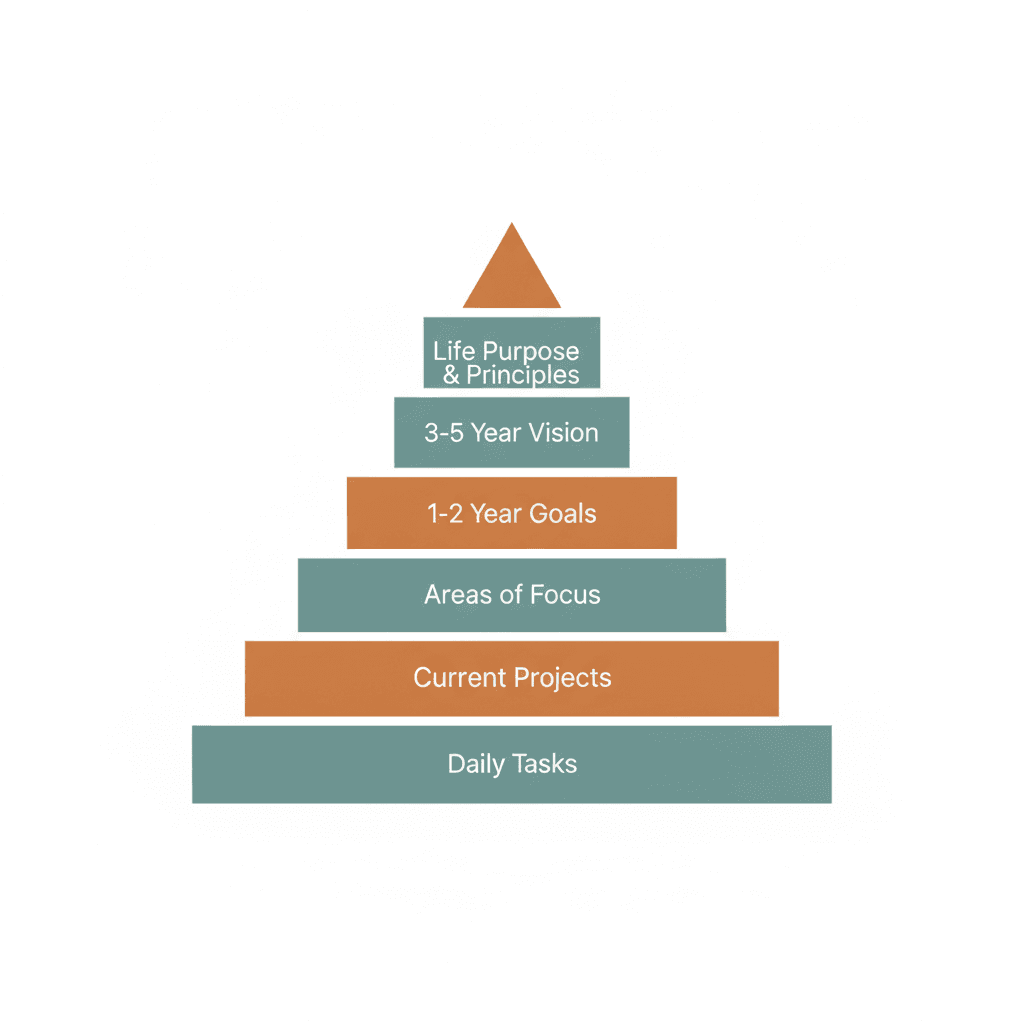
GTD Horizons of Focus: The Framework That Connects Your Daily Tasks to Your Biggest Goals
GTD’s six horizons of focus connect your daily task list to your purpose and vision. Here’s how the framework works — and how to use it in a weekly review.
Prioritisation for Business Owners: A Four-Layer System That Scales
Generic prioritisation advice was built for employees. Here’s the four-layer system business owners use to move the revenue needle without letting everything else collapse.

The GTD 2-Minute Rule: How to Clear Small Tasks Before They Pile Up
The GTD 2-minute rule is a processing principle from David Allen’s Getting Things Done system: if a task will take two minutes or less to complete, do it immediately rather…

GTD Next Actions: What They Are and How to Write Them
A GTD next action is the single physical action you can take right now to move a project or commitment forward. In David Allen’s Getting Things Done system, a next…
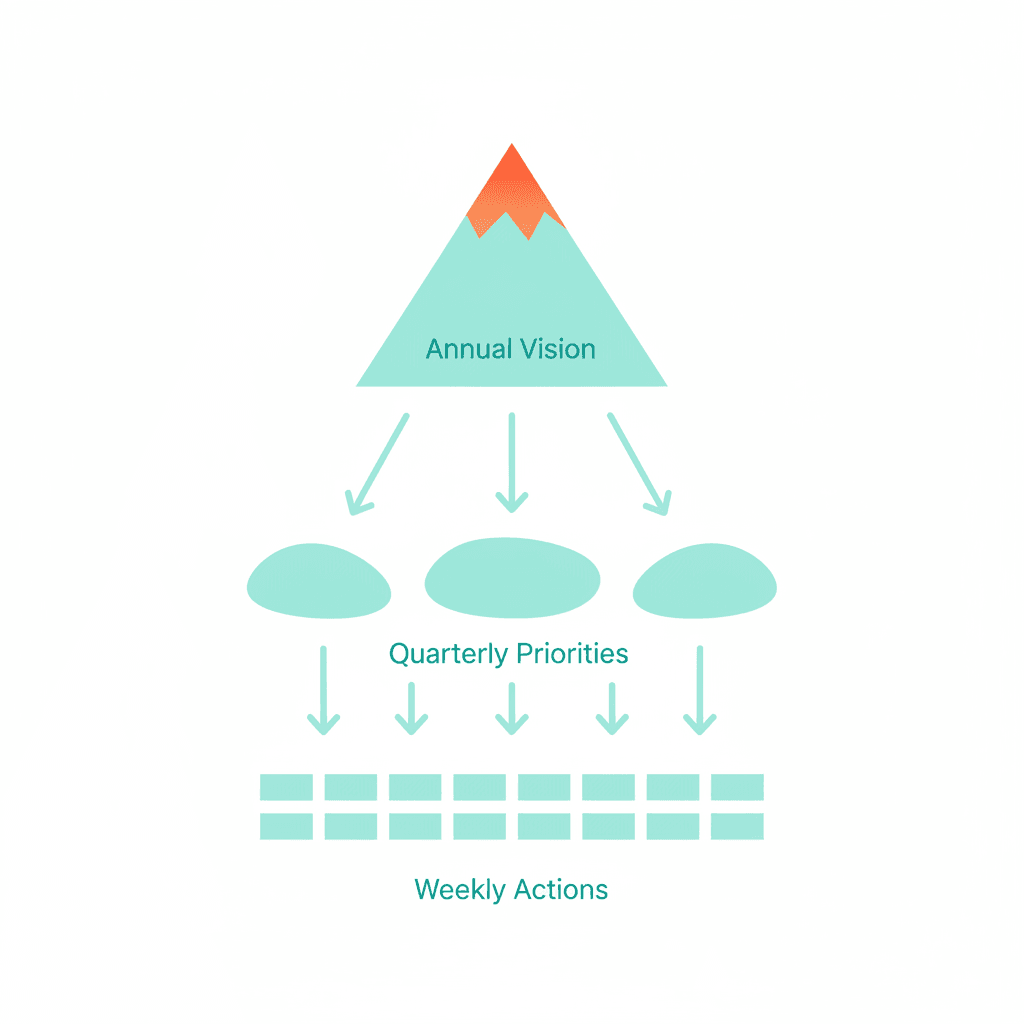
Goal Setting for Entrepreneurs: The Three-Level Framework That Drives Results
Goal setting for entrepreneurs is the practice of translating annual business targets into a three-level priority structure — annual goals, quarterly Rocks, and weekly Most Important Tasks (MITs) — so…