
You open your task manager and see 47 items staring back at you. “Call dentist” sits next to “Develop Q4 strategy.” “Send thank you email” appears alongside “Launch new product line.” Your brain treats each item with the same mental weight, creating a paralyzing sense of overwhelm.
You spend 20 minutes trying to decide what to work on first. The strategic project feels too big to start. The small tasks feel too trivial to prioritize. Everything seems equally urgent and equally important, so you end up checking email instead of making progress on anything meaningful.
This isn’t a time management problem or a prioritization failure. You’re experiencing the predictable result of treating a capture list like a to-do list—and it’s destroying your productivity.
The solution isn’t better prioritization techniques or more sophisticated task management apps. You need to understand that not every task deserves the same level of attention, and implement a screening system that filters commitments before they consume your mental energy.
Equal Attention Trap
Modern professionals fall into the trap of treating every task, thought, and commitment with identical mental engagement. This approach violates fundamental principles of effective resource allocation.
Mental Energy Waste
When you give equal attention to calling your dentist and developing quarterly strategy, you’re misallocating precious cognitive resources. Your brain expends the same decision-making energy evaluating whether to respond to a routine email as it does considering a major business initiative.
This equal treatment creates decision fatigue that depletes your mental capacity before you even begin important work. By the time you reach high-value tasks, your judgment and creativity are already compromised.
Priority Paralysis
When everything appears equally important, nothing feels truly urgent. You spend more time deciding what to work on than actually working. The cognitive overhead of constantly re-evaluating priorities becomes a full-time job that prevents progress on actual priorities.
This paralysis is particularly damaging for ambitious professionals juggling multiple life domains. Work tasks compete with family responsibilities, personal goals conflict with professional obligations, and everything feels like it needs immediate attention.
Overwhelm Amplification
Long, undifferentiated task lists create psychological overwhelm that goes beyond their actual content. Your brain sees 47 items and immediately triggers stress responses, regardless of whether most items are trivial or whether you actually need to complete them all.
This overwhelm response impairs your ability to think clearly about what actually matters, creating a vicious cycle where poor task management leads to poor decision-making, which leads to even worse task management.
Funnel Principle
Every effective system uses funnel principles to manage flow and allocate resources appropriately. Sales funnels, hiring processes, and medical triage all recognize that not every input deserves the same level of engagement.
Sales Funnel Logic
Sales professionals don’t treat every lead equally. A website inquiry gets an automated email response. Qualified prospects receive phone calls. Hot leads get face-to-face meetings. Only the most promising opportunities receive proposal development and executive involvement.
This graduated engagement ensures that high-value activities receive appropriate attention while routine interactions are handled efficiently. The funnel filters out low-probability opportunities before they consume expensive resources.
Hiring Process Wisdom
Recruiters don’t interview every job applicant. Resumes get quick scans for basic qualifications. Promising candidates receive phone screenings. Strong prospects get in-person interviews. Only finalists meet with senior leadership.
Each stage requires increasing investment while filtering the pool to ensure that intensive resources focus on the highest-potential candidates. This systematic approach prevents good opportunities from being overlooked while avoiding wasted effort on poor fits.
Medical Triage Model
Emergency rooms don’t treat every patient identically. Triage nurses quickly assess severity and urgency. Minor issues get basic care. Serious conditions receive immediate attention. Life-threatening emergencies get top priority and maximum resources.
This systematic screening ensures that critical needs receive appropriate resources while routine issues are handled efficiently. The system optimizes for both effectiveness and efficiency.
Task Triage Framework
Your productivity system needs the same funnel approach to manage the constant flow of tasks, ideas, and commitments competing for your attention.
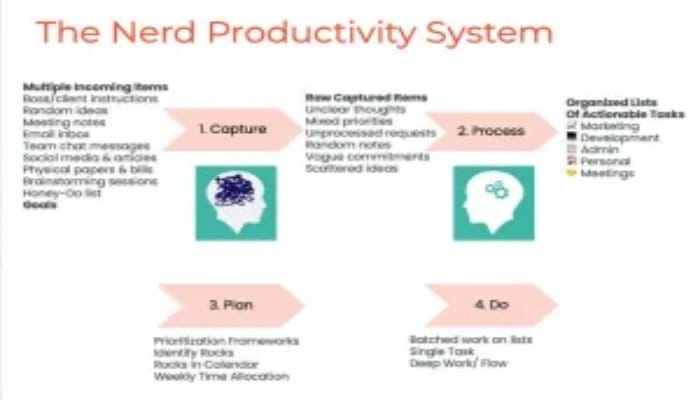
Stage 1: Universal Capture
The first stage involves capturing everything without evaluation or processing. Every task, intention, commitment, or random thought goes into one trusted location.
No Processing Zone During capture, resist the urge to evaluate, prioritize, or organize. The goal is frictionless collection that prevents ideas from being lost while avoiding the mental overhead of immediate decision-making.
Complete Collection Capture must be comprehensive to be effective. Work tasks, personal responsibilities, family commitments, household needs, financial obligations, and even vague future concerns all need external storage.
Single Intake Point Use one primary capture location to avoid the fragmentation that creates anxiety about missed items. Whether digital or physical, your capture system must be accessible whenever thoughts arise.
Zero Friction Requirement The capture process must be faster and easier than trying to remember items mentally. Any friction in the capture process encourages your brain to continue internal storage, defeating the purpose.
Stage 2: Systematic Processing (Triage)
Triage is the stage I stopped doing by hand. It became triage an agent performs against your own criteria.
The second stage involves quickly filtering captured items through systematic decision criteria. This triage process determines what happens to each item without requiring deep engagement.
The Five-Option Filter Every captured item gets evaluated through five possible outcomes:
Delete: Items that are no longer relevant, were captured in error, or don’t actually require action. Many captured thoughts fall into this category upon reflection.
Do Now: Tasks that take less than two minutes and are appropriately timed for immediate completion. This prevents small items from accumulating unnecessarily.
Define and Convert: Vague items that need clarification before they can become actionable. “Handle client situation” becomes “Call John to discuss contract terms.”
Delegate: Tasks that others could handle more appropriately or efficiently. This includes items that don’t require your specific expertise or authority.
Defer: Items that are actionable but not appropriately timed for current attention. These get scheduled for future processing or moved to appropriate waiting lists.
The Quick Decision Principle Triage decisions should happen quickly without extensive analysis. The goal is filtering, not deep planning. Spend seconds, not minutes, on each item during this stage.
The Survival Rate Reality Most captured items should not survive triage. Random thoughts, outdated concerns, and inappropriate commitments should be eliminated before they consume planning and execution resources.
Stage 3: Strategic Engagement
The third stage involves deep engagement with items that survive triage. Only these filtered tasks deserve your full attention for planning, prioritizing, and execution.
Contextual Organization Surviving tasks get organized into appropriate lists based on context, energy requirements, and resource needs. Phone calls group together, creative work clusters separately, and administrative tasks batch efficiently.
Project Development Complex items that require multiple steps get converted into full projects with clear outcomes, action steps, and resource requirements. This planning work only happens for tasks that have proven their worth through triage.
Priority Assignment Within each context and project, items receive priority rankings based on impact, urgency, and alignment with current objectives. This detailed prioritization only applies to pre-filtered tasks.
Scheduling and Execution High-priority items get scheduled into calendar blocks or daily plans. The reduced volume from effective triage makes scheduling decisions clearer and execution more focused.
The Productivity Transformation
Implementing task triage creates immediate and compound benefits that transform your productivity experience:
Reduced Decision Fatigue
By handling most decisions quickly during triage, you preserve mental energy for complex planning and creative work. The constant re-evaluation of priorities disappears because filtering happens systematically.
Enhanced Focus Quality
Working from a filtered list of genuinely important tasks enables deeper concentration. You’re not constantly questioning whether you should be working on something else because you know other items have been appropriately handled.
Decreased Overwhelm
Shorter, filtered lists feel manageable rather than overwhelming. Your brain can process 8-12 important items much more easily than 47 mixed-importance items.
Improved Strategic Thinking
With routine triage handling most captured items, you have mental bandwidth available for strategic planning and creative problem-solving on genuinely important work.
Real-World Application Examples
Consider how task triage transforms common productivity challenges:
Overwhelmed Executive
Before Triage: Reviews a list of 50+ mixed items daily, spending 30 minutes deciding what to work on, feeling overwhelmed by the volume and variety of commitments.
After Triage: Processes captured items quickly through triage filters, works from a focused list of 8-10 genuinely important tasks, spends decision-making energy on execution rather than selection.
Busy Working Parent
Before Triage: Tries to juggle work tasks, family responsibilities, and personal goals in one overwhelming list, feeling constantly behind and guilty about what’s not getting done.
After Triage: Filters all commitments through systematic criteria, focuses on truly important items in each life domain, feels confident that eliminated tasks were appropriately deprioritized.
Ambitious Entrepreneur
Before Triage: Captures every business idea and opportunity in the same list as operational tasks, struggles to distinguish between important strategic work and routine maintenance.
After Triage: Quickly filters ideas and opportunities, focuses deeply on high-potential initiatives, handles routine work efficiently without mental overhead.
Building Your Triage System
Implementing effective task triage requires systematic development rather than random technique adoption:
Establish Capture Habits
Begin with reliable capture of all commitments and thoughts. Use whatever tool feels most natural, but ensure it’s always accessible and frictionless to use.
Develop Triage Criteria
Create clear decision criteria for each triage option. What qualifies for immediate deletion? When should items be delegated? How do you distinguish between defer and deposit decisions?
Practice Quick Processing
Build the skill of rapid triage decisions. Start with obvious items and gradually develop judgment for borderline cases. Speed is crucial—lengthy evaluation defeats the purpose.
Refine Through Experience
Adjust your triage criteria based on results. If too many items survive filtering, tighten the criteria. If important work gets eliminated, broaden the acceptance standards.
Maintain the Discipline
Resist the urge to skip triage and work directly from capture lists. The filtering step is what creates the productivity benefits—removing it returns you to the original overwhelm problem.
The Compound Benefits
Task triage creates benefits that compound over time as your system matures:
Improved Judgment
Regular practice with triage decisions improves your ability to quickly assess task importance and appropriate resource allocation.
Reduced Anxiety
Trusting your triage process reduces anxiety about potentially missing important work. You know that genuinely important items will survive the filtering process.
Enhanced Execution
Working from filtered lists enables better execution because you’re not constantly second-guessing your choices or feeling overwhelmed by volume.
Strategic Clarity
Consistent filtering helps clarify your actual priorities versus your assumed priorities. Patterns in what survives triage reveal what truly matters to you.
Your Productivity Revolution
The fundamental insight is simple but powerful: not every task deserves the same level of attention. Treating random thoughts about calling your dentist with the same mental energy as quarterly strategy development is a recipe for overwhelm and ineffectiveness.
Your capture list isn’t a to-do list—it’s raw material that needs processing before it becomes actionable work. Implementing systematic triage transforms productivity from constant overwhelm to focused execution.
The goal isn’t to do more tasks—it’s to do the right tasks with appropriate levels of engagement. Task triage makes this possible by filtering commitments before they consume your most valuable resource: focused attention.
Your path to productivity mastery starts with understanding that effective systems screen inputs rather than trying to handle everything that appears.
Ready to transform your overwhelming task list into a focused productivity system? Take the Productivity Quiz to discover where your current approach might be wasting mental energy and get personalised strategies for implementing task triage that creates clarity instead of overwhelm.